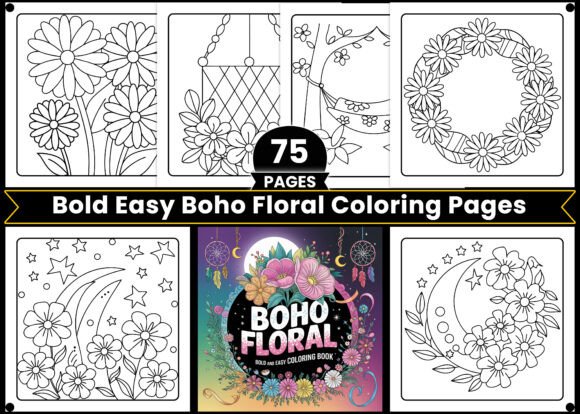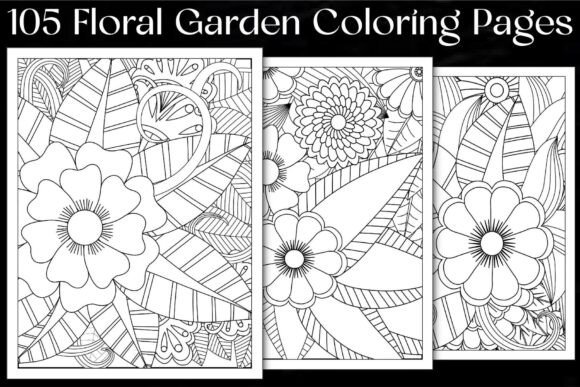
Floral Garden Coloring Pages: A Modern Design Asset
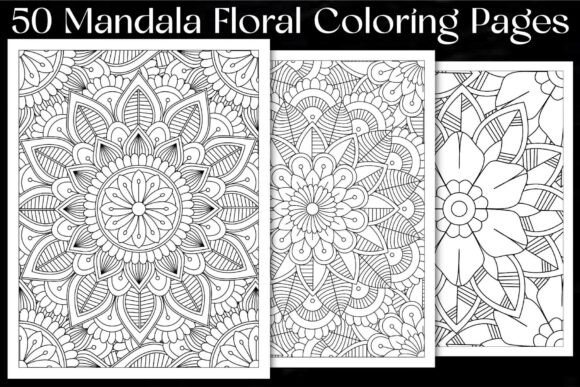
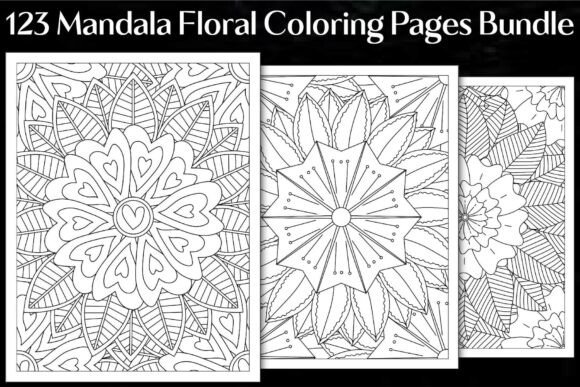
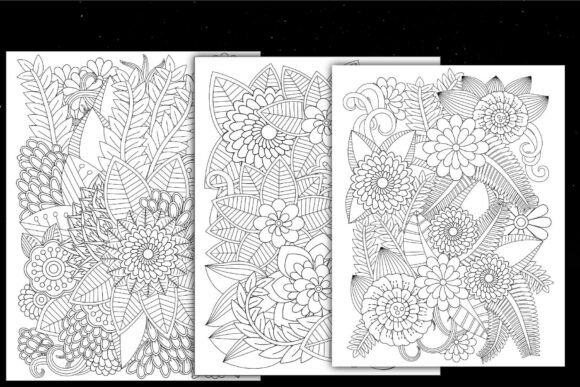
Every designer knows the weight of a blank canvas and the search for the perfect foundational element. Whether you are crafting a mindful coloring book for print-on-demand, developing educational materials, or seeking intricate vector line art to enhance a branding project, the versatility of botanical illustrations is undeniable. Floral garden coloring pages offer more than just a pastime; they represent a rich library of design-ready assets. A collection of clean, scalable compositions—featuring blooming flowers, decorative leaves, and elegant blossoms—can seamlessly transition from a therapeutic coloring activity to a cornerstone of a professional visual identity.
Why Botanical Assets Matter in Modern Visual Design
In the world of graphic design, the line between fine art and commercial application is perpetually blurring. Illustrative elements, particularly those rooted in nature, bring an organic warmth and sophisticated texture to both digital and print projects. These coloring pages, stripped down to their essential black-and-white vector line art, offer immense flexibility. They are not just finished products; they are raw materials for creativity. Designers can isolate specific blooms, invert the color palette, create seamless repeating patterns, or layer the illustrations as subtle overlays to add depth to a layout. This adaptability makes them invaluable for establishing a strong brand identity or enhancing a modern aesthetic in editorial design.
Practical Applications Across Design Disciplines
The true value of a comprehensive vector bundle lies in its cross-platform usability. For design professionals and creative entrepreneurs, these botanical elements solve recurring visual problems and open new avenues for creative projects.
Branding, Identity, and Logo Design
A floral motif can define a brand’s personality. The delicate petals and structured leaves found in high-quality line art can inspire a complete visual system. Whether you need a minimalist icon for a tech startup or an ornate emblem for a boutique organic skincare line, these scalable vectors provide the precision required for professional presentation. Consistent use of such motifs strengthens recognition across touchpoints, from business cards to web design.
Print Design, Packaging, and Merchandise
High-quality line art is a staple in print design. For packaging design, these illustrations wrap products in an aesthetic that speaks directly to a modern, nature-conscious consumer. They are equally effective on merchandise like tote bags, mugs, and stationery. Because the files are vector-based, you can resize a single bloom to fill a poster or use it as a tiny accent without losing fidelity, a critical factor for maintaining a smooth design workflow.
Web, UI, and Digital Marketing
Scalable SVG graphics are ideal for responsive web design. Use these botanical components as hero section backgrounds, subtle icons, or infographic accents. The clean composition ensures your graphics maintain sharpness across all devices, directly improving the user experience (UX). In digital marketing, these visuals help create standout social media graphics, email headers, and landing page elements. Pairing intricate flowers with clean typography creates a powerful visual hierarchy that captures attention and communicates sophistication.
- Social Media Content: Use isolated floral elements as watermarks or consistent branded overlays for Instagram and Pinterest.
- Editorial Layouts: Use large botanical cutouts as chapter openers or sidebar decorations to break up text and add visual interest.
- KDP Interiors: Leverage the variety of pages to create full-length coloring books or journals, ensuring a cohesive artistic style throughout.
Selecting the Right Creative Assets for Your Workflow
When evaluating design resources, consistency and scalability are paramount. A cohesive collection ensures that whether you are designing a 12-page calendar or a 100-page book, the artistic style remains uniform. This uniformity strengthens your brand identity and saves countless hours of searching for matching elements.
Consider your audience. The range of simple arrangements to detailed botanical elements allows you to cater to different skill levels. For products aimed at adults seeking mindfulness and stress relief, intricate patterns offer a deeper engagement. For children or beginners, simpler floral arrangements support skill development without causing frustration. Understanding this visual hierarchy within your source material is key to successful product differentiation.
Enhancing Composition with Color and Texture
When integrating assets like these, remember the principles of visual hierarchy. A large, intricate floral pattern can serve as a powerful focal point, whereas smaller, uniform leaves work best as a subtle background texture. Experiment with negative space; the clean black-and-white line art allows you to apply digital color palettes quickly, testing various moods and themes without redrawing the base illustration. This versatility is a cornerstone of efficient creative projects.
By thoughtfully selecting assets that offer both aesthetic beauty and technical flexibility, you elevate your work from simple creation to effective visual communication. Whether you are a seasoned publisher, a graphic designer, or an entrepreneur building a brand, embracing quality resources allows you to focus less on the mechanics of drawing and more on the art of composition, storytelling, and connection. The result is work that is not only professionally presented but resonates deeply with its intended audience.